Solar Panel Installation: Is Your Roof Structure Ready?
The Sunshine Coast is well known for its abundant sunshine, making it one of the premier locations in Australia for residential solar energy. With modern, high-output photovoltaic systems and home battery systems becoming standard in 2026, more homeowners across Caloundra, Maroochydore, and Noosa are taking advantage of clean energy. However, before mounting rows of heavy panels on your property, one critical question must be addressed: is your roof structurally capable of supporting the installation?
Understanding the Structural Demands of Solar Panels
Modern solar panels are engineered to be lightweight, yet a standard residential array still adds significant dead load to your home. A typical 6.6 kW to 10 kW system—often comprising 15 to 25 panels along with aluminium racking, clamps, and cabling—can add between 250 and 500 kilograms to your roof frame. In addition to this static weight, the roof must withstand dynamic loads, primarily uplift forces caused by strong coastal winds.
On the Sunshine Coast, homes are frequently subjected to severe summer thunderstorms, strong ocean breezes, and sub-tropical wind conditions. Under Australian Standard AS/NZS 1170.2, roof fixtures must resist specific wind pressures based on local terrain categories. If your rafters, battens, or fixing screws are degraded, the installation could compromise your building's structural integrity or lead to severe leaks during stormy weather.
Evaluating Your Roof Material
Different roofing types common throughout South East Queensland present distinct structural considerations:
Colorbond and Corrugated Metal
Metal sheeting is one of the most common roofing styles on the coast. It provides a sturdy, lightweight foundation that easily accommodates mounting brackets clamped directly to the ribs or https://devinbarc912.inkharbory.com/posts/energy-efficient-roofing-upgrades-for-coastal-properties fixed into structural purlins. However, coastal salt spray can cause hidden corrosion, especially around older tek screws and cut sheet edges. These fixings must be thoroughly checked and replaced if rusted before solar installation begins.
Concrete and Terracotta Tiles
Tile roofs are durable, but tiles become brittle as they age. Installing solar brackets requires lifting tiles to secure roof hooks directly into the rafters beneath. If the timber battens show signs of dry rot, termite activity, or sagging, they may not support the concentrated load. Additionally, cracked tiles hidden beneath newly installed panels can cause water penetration that remains unnoticed until internal ceiling damage occurs.
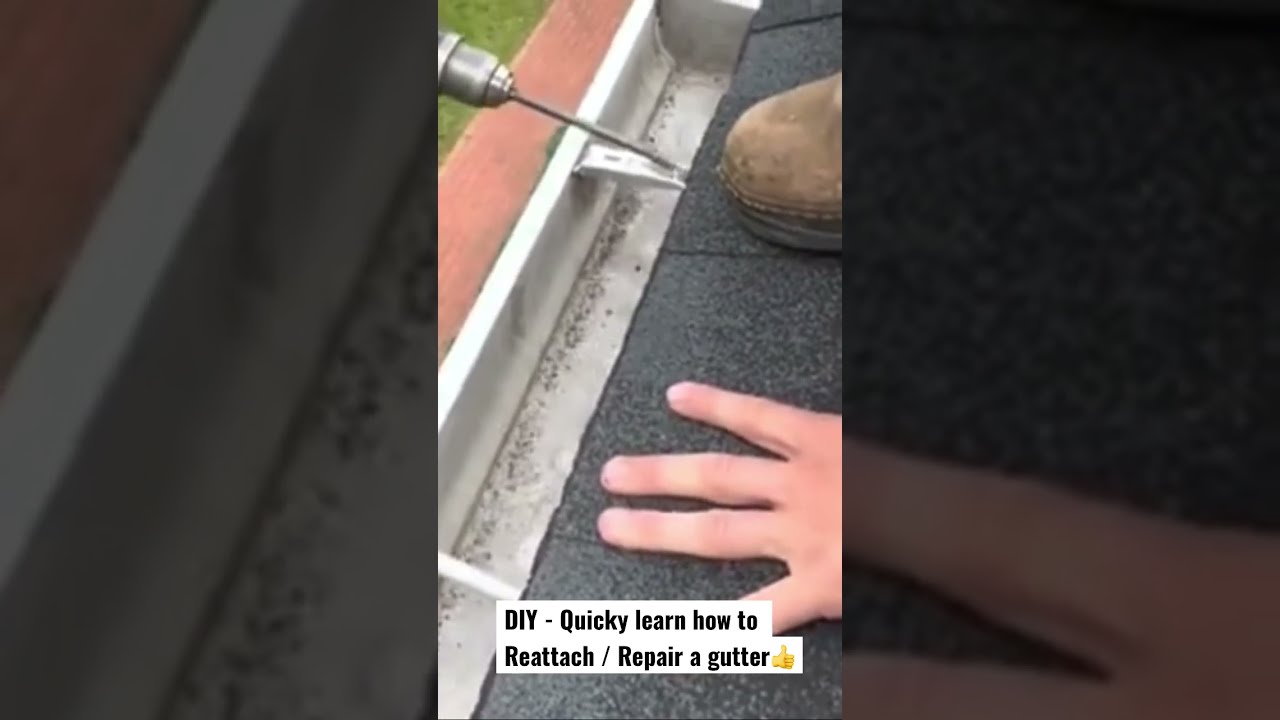
Essential Structural Checks Before Installing Solar
Prior to booking an installation, ensure your installer or a qualified roof carpenter conducts an in-depth structural inspection. Focus on the following key areas:

- Rafter and Truss Health: Check inside the roof cavity for bowed trusses, insect damage, moisture stains, or compromised joints.
- Fastener Integrity: Confirm that battens are securely anchored to the roof trusses and that metal screws are not corroded.
- Remaining Lifespan: If your roof will need complete replacement or restoration within the next five to ten years, complete those repairs first. Removing and reinstalling panels later incurs substantial labour costs.
- Orientation and Shading: Ensure that the structural areas capable of bearing the load align with north or split east-west aspects without significant shading from coastal gum trees or neighbouring structures.
Remediation Steps If Your Roof Isn't Ready
Discovering that your roof structure requires attention is not a dealbreaker; it simply means taking preventative measures to protect your investment. Addressing minor structural deficiencies early ensures your rooftop remains secure for the 25-plus year operational life of your solar array.
- Perform Batten Reinforcement: Strengthen undersized or weakened timber battens by sistering new timber supports alongside the existing frame.
- Replace Damaged Sheets or Broken Tiles: Swap out weathered sheets or brittle tiles, and replace degraded pointing along the ridge capping.
- Upgrade External Fasteners: Replace standard screws with corrosion-resistant, marine-grade fasteners suitable for coastal atmospheric exposure.
- Apply Protective Coatings: If your metal or tile surface exhibits heavy oxidation, apply a protective restorative coating to seal the surface prior to mounting bracket installation.
Securing Your Investment for the Long Run
A reliable solar setup relies just as heavily on the strength of your roof frame as it does on the efficiency of your solar inverters. By performing a rigorous structural check upfront, Sunshine Coast homeowners can enjoy lower power bills, enhanced property resilience, and complete peace of mind through every storm season.

Sunshine Coast Roof Restoration & Repair
Unit 8/13 Newspaper Pl, Maroochydore QLD 4558
(07) 4145 4576