Top Architectural Roofing Trends Across Sunshine Coast in 2026
The Sunshine Coast continues to lead Queensland in progressive, climate-conscious residential design. In 2026, roofing is no longer viewed merely as an envelope for weather protection; it has emerged as a defining architectural statement. Between the salt-laden breezes of coastal enclaves like Noosa and Coolum and the high-rainfall microclimates of the Blackall Range, roofing systems must achieve an uncompromising balance between visual elegance and structural resilience. Current architectural trends reflect a shift toward minimalist lines, superior thermal performance, and materials engineered to withstand severe subtropical weather.
1. Ultra-Matte Finishes and Coastal Standing Seam Profiles
Modern coastal architecture across the Sunshine Coast has transitioned decisively toward minimalist, Scandinavian-meets-coastal profiles. Standing seam, nailstrip, and snap-lock metal cladding systems dominate new builds and high-end renovations. These profiles feature concealed fastening systems, eliminating exposed screws that are traditionally vulnerable to salt spray corrosion.
In terms of colour, low-gloss and ultra-matte metal finishes are the standard for 2026. While high-gloss surfaces reflect harsh glare under the Queensland sun, matte finishes diffuse light softly, integrating structures seamlessly into natural coastal and bushland surroundings. Popular palettes include muted earthen tones, warm greys, and deep charcoals such as Monument Matt, balanced by crisp off-whites like Surfmist.

2. Passive Thermal Efficiency and Cool Roof Technologies
With updated energy-efficiency standards and rising summer temperatures, passive thermal design is a fundamental requirement for Sunshine Coast homes. Architectural designs in 2026 prioritise light-coloured roof coatings with high Solar Reflectance Index (SRI) ratings. These cool roofs reflect a substantial percentage of solar radiation back into the atmosphere rather than transferring heat directly into the living spaces below.
Architects are pairing high-SRI metal roofing with ventilated ridge caps and continuous https://sunshinecoastroofrestoration.com.au/about/ soffit venting. This creates a natural thermal chimney effect, purging heated air from roof cavities and dramatically reducing reliance on mechanical air conditioning.
3. Curved Rooflines and Organic Silhouettes
Rigid gables and standard hip roofs are increasingly replaced by organic, fluid geometries that mimic the rolling dunes and coastal waves of the region. Advances in on-site sheet curving and roll-forming technology allow builders to implement sweeping barrel vaults, reverse curves, and dramatic single-pitch skillion roofs.
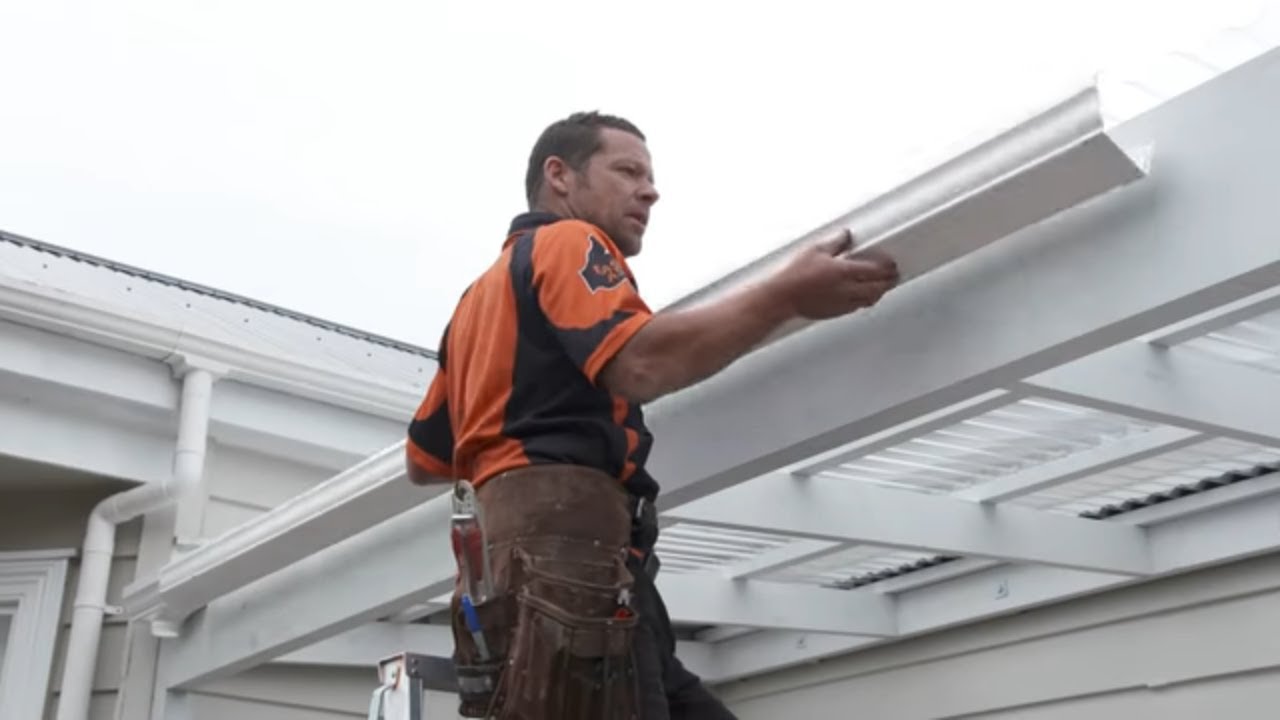
Curved roofs serve both an aesthetic and functional role on the Sunshine Coast: they soften the visual mass of large two-storey residences while aerodynamically deflecting high-velocity winds experienced during summer storm seasons.
Essential Considerations for Sunshine Coast Roof Selection
When planning a re-roofing project or custom architectural build in 2026, local conditions dictate specific engineering and material requirements. Homeowners and specifiers should account for the following factors:
- Marine Proximity: Properties situated within one kilometre of breaking surf require marine-grade materials, such as specialised aluminium alloys or ultra-durable coatings designed to resist accelerated corrosion.
- Bushfire Attack Level (BAL): Inland and hinterland areas require compliant materials and ember guards to prevent ignition from wind-blown embers during dry periods.
- Cyclonic Wind Loads: Coastal storm events require engineered tie-downs, increased batten gauges, and rated fixing spans that meet or exceed regional wind classifications.
- Rainwater Harvesting Compatibility: Non-toxic, lead-free roofing materials and gutter systems are essential for properties reliant on rainwater catchment tanks.
4. Streamlined Solar Integration (BIPV)
Bulky, retrofitted solar panels mounted on elevated brackets are rapidly declining in popularity across premier Sunshine Coast suburbs. In 2026, building-integrated photovoltaics (BIPV) and ultra-low-profile solar systems are standard in architectural designs. These systems sit flush with standing seam profiles or directly replace traditional roof tiles, maintaining unbroken sightlines while generating clean energy to power home automation, battery storage units, and electric vehicle charging infrastructure.
Investing in Long-Term Coastal Resilience
Architectural roofing on the Sunshine Coast in 2026 represents a sophisticated blend of engineering and environmental responsiveness. By selecting premium, non-corrosive metals, prioritising cool-roof thermal principles, and choosing sleek, concealed-fix profiles, homeowners can secure lasting value, reduced cooling overheads, and an enduring aesthetic tailored to the Queensland climate.
Sunshine Coast Roof Restoration & Repair
Unit 8/13 Newspaper Pl, Maroochydore QLD 4558
(07) 4145 4576